Emergency Elevator Safety Tips Every User Should Know
Post Date : Feb 23, 2026
As we all know that elevators are a common part of our daily life. Most of us are so used to using a lift. From using it in our apartment, at work, or in a shopping centre – that we don’t consider what we’d do if something went wrong.
Being aware of the correct elevator safety tips will give you absolute control in an unexpected situation, helping you remain calm, make sensible choices, and keep yourself and those nearby safe.
This Blog guide covers both how to use it safely every day and what to do, step by step, in an emergency.
Safety Rules for Elevator Users You Should Always Follow
Good safety begins before you get in. These safety rules for elevator users apply in all buildings, all the time.
-
Let people get out first. Always allow those in the elevator to get fully out before you get on.
-
Mind your step when getting on. The elevator floor isn’t always quite the same height as the landing, so board carefully.
-
Always Keep away from doors. Ensure clothing, bags and any loose items are always clear of the door edges in the elevators.
-
Do not force the doors to open. If the doors are closing, wait for the next lift. Trying to force or block them can harm the sensors and cause a fault.
-
Use the DOOR OPEN button if you want to hold the doors. Don’t ever use your hand – or anything else – to stop them closing.
-
Respect the weight limit. Every lift has its maximum capacity shown inside; overloading can cause it to stop between floors.
-
If there is a handrail, hold it – particularly if you are older, have a child with you, or are travelling with animals.
These actions take only a few seconds, but can prevent accidents completely.
What to Do If You Get Stuck in a Lift
Being stuck in an elevator can be frustrating. But it’s important to remember that modern lifts are made with many backup systems – specifically to keep passengers safe. Having some basic elevator emergency safety knowledge lets you deal with the situation calmly and correctly.
Follow these steps if your elevator stops unexpectedly:
-
Stay Calm and Breathe
Your initial reaction should be most important. Obviously - Panicking can make you anxious and affects your reasoning at that point. Take a slow, even breath and always ensure that there is sufficient air in the cabin and you are not in an immediate danger.
-
Press the Alarm or Emergency Button
Every lift must have an alarm button, emergency bell or intercom. Press and hold it for a few seconds to let building staff, security or the maintenance team know you need help.
-
Contact Help Using Your Phone
If intercom doesn’t work, use your phone. Ring the building management office or the lift service helpline. Talk clearly, say where you are and describe what has happened, calmly.
-
Stand Away From the Doors
Go towards the back of the lift. Rescue staff need clear access to the front of the cabin when they arrive. Moving away from the doors also keeps you away from any moving parts.
-
Wait for a Trained Technician
Do not try to open the doors from inside. Do not attempt to climb out via the emergency hatch in the roof. If the lift starts moving whilst you are outside the cabin, the results could be fatal. Stay inside and wait for trained help.
Elevator Emergency Procedures During a Power Failure
A sudden power failure is one of the most usual causes of an elevator stopping mid-floor. Most modern lifts deal with this automatically. Emergency lights come on in the car, and the lift moves to the nearest floor before the doors open for a safe exit.
If your elevator does not respond automatically, follow these elevator emergency procedures:
-
Stay inside the cabin. Do not, under any circumstances, try to enter the lift shaft.
-
Press the alarm button and use the emergency intercom to ask for assistance.
-
Wait for building staff or a qualified lift technician to safely guide your exit.
One rule to repeat: never use an elevator during a fire. Even if the lift seems to be working normally, always use the stairs in a fire emergency. Heat and smoke can affect how lifts work in ways you can’t see from inside.
Lift Safety Guidelines for Children, Elderly, and Differently Abled Users
Some users require extra care when using a lift. A few extra steps can help a great deal.
-
Children should never be left alone in a lift. Tell them not to press buttons at random, jump in the cabin, or play near the doors.
-
Elderly people should take their time getting on and off, hold the handrail, and avoid rushing when the doors are closing.
-
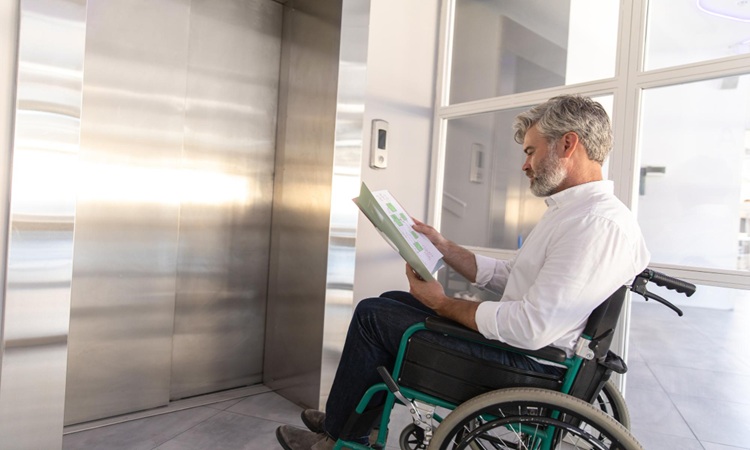
People with disabilities should check the lift has suitable controls and enough room before getting in.
Following the correct lift safety guidelines for these groups greatly reduces risk, whether in a home or a large business building.
Stay Safe Every Time You Ride
Elevators are among the safest ways we travel every day – when used properly. Knowing the main elevator safety tips, and how to react in an emergency, makes you a more confident and ready rider, every time.
At Polo Elevators, safety isn’t an extra. It’s built into every lift we design, make and fit. From emergency lights and overload protection, to door sensors and intercoms, every part is created to protect the people using it.
Be alert. Be prepared. Every time you step into a lift, you will know exactly what to do.