How Passenger Elevators Improve Efficiency in Modern Buildings
Post Date : Mar 25, 2026

It is so simple to take a passenger elevator that it is difficult to imagine being on the sixth floor, having a delivery trolley or a bad knee or that you have a meeting in four minutes and there is no elevator in the building.
That is what there is with elevators. Their worth is not realised until you consider what the building would be like without them and in the modern construction with every addition of a floor it gets increasingly difficult.
Vertical Mobility and What It Actually Does for a Building
It is what architects and managers refer to as vertical mobility. The practicality is the rate at which individuals can travel along the building in an easy and comfortable way without wasting time, energy, and patience.
In a two-storey house a staircase is alright. The staircase has turned into a logistical nightmare in a 10-storey office. Employees waste time, visitors have to wait longer, shipments are lying on the ground floor, and the physical capacity of the building is no longer in line with its operational requirements.
An adequately designed passenger elevator eliminates such an issue at its source. It transport individuals effectively, uniformly and free of the tension that the stairs create to all the elderly citizens and workers who carry laptop computers and files.
The productivity increase is not only individual, but systemic. Structures whose vertical mobility is high operate to their actual capacity. Those who do not have it are operating way below that ceiling and it can be seen.
Building Efficiency: Where Elevators Make the Real Difference
Building efficiency isn't just about energy ratings or smart HVAC systems. It's about how well every square metre of a building actually gets used.
This is a rarely popularised fact: it is more difficult to rent upper floors in buildings where the corroboration of the elevators is not so good, it is more difficult to sell, and to fill it. In most cases, commercial tenants would want to be located in lower floors when the elevator is slow, unreliable, or crowded. The same is true in residential buildings particularly with the old population or with those who have young children.
The equation is transformed by a passenger elevator. The top floor, as accessible as the first, is likely to get the same attention, and usually a premium. That is a straight payback of the infrastructure investment in terms of occupancy rates and property prices.
Operationally, say there is a hospital where the lifts are not working, there is a hotel where the lifts are not working and there is a backup of one lift in an office building. The inconvenience is not only annoying; it also affects all the functions that the building was supposed to facilitate.
The best regular elevator access will keep a building functioning at its intended speed.
The Practical Elevator Benefits Most People Don't Think About
When someone says elevator benefits, most people think of convenience. That's fair, but it's only part of the picture.
Time
The amount of time that is saved by an efficient elevator access through hundreds of journeys every day in a commercial building is considerable. The difference between a 30-second wait and a 3-minute wait in one working day and one year is a multiplication to actual productivity.
Accessibility
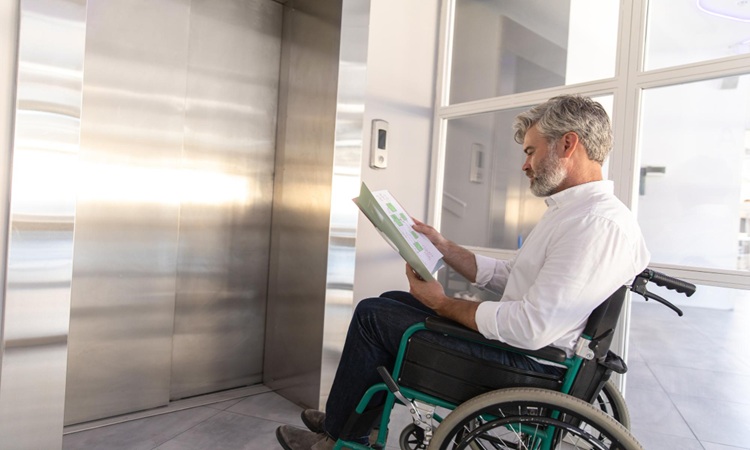
This is worth more than it is credited with. A quality passenger elevator can be used by everyone: wheelchair users, the elderly people, those recovering after injury, parents with prams, staff transporting equipment. It is not an extra bells and whistles thing, accessibility is the core of usability.
Safety
The current passenger elevators possess several overlapping safety features: emergency brakes, door sensors, overload sensors, backup power and an intercom. In high-rise buildings in particular, a well-specified system minimises the physical hazard that the stair-only access entails in times of emergencies and in everyday utilisation.
Property Value
Modern outdated buildings that have well-kept elevators are always valued higher both in business and home markets. The elevator is not a decorative object but a real infrastructure object.
Resident and Tenant Satisfaction
Elevator reliability is mentioned in feedback in managed spaces. Whenever there is a failed elevator, people hardly say a word but when it works, they always complain.
What Makes a Modern Passenger Elevator Different
Not all passenger elevators are built the same, and the difference between a well-specified installation and a basic one is noticeable within the first few weeks of use.
Modern systems include:
-
Variable frequency drives that control motor speed precisely, resulting in smoother starts, stops, and significantly lower energy consumption compared to older fixed-speed motors
-
Destination control systems in larger buildings that group passengers going to the same floor, reducing total journey time and elevator wear
-
Regenerative drives that capture energy during descent and feed it back into the building's power system
-
Smart monitoring that tracks performance data, flags maintenance requirements before they become failures, and gives building managers real visibility into system health
-
Customised cabin design that fits the building's aesthetic rather than looking like a utilitarian afterthought
For commercial buildings specifically, the energy and maintenance efficiency of a modern passenger elevator system translates directly to reduced operating costs over the building's life. The upfront specification matters because the running costs compound over decades.
Choosing the Right Elevator for Your Building Type
Every building has different requirements, and the elevator specification should reflect that rather than defaulting to a standard model.
A residential apartment building of five to eight floors has different traffic patterns, load requirements, and aesthetic expectations than a commercial office tower of fifteen floors. A hospital has different safety and access requirements than a retail complex. A heritage building retrofit has different structural constraints than a new build.
The right passenger elevator for a building is the one that's sized correctly for the expected traffic volume, specified to the right load capacity, designed to fit the space available, and installed by a team that understands both the technical and regulatory requirements for that building type.
Getting the specification wrong at the planning stage creates problems that are expensive to fix post-installation. Getting it right means a system that runs reliably for decades with routine maintenance.
What Polo Elevators Brings to the Table
Polo Elevators has been manufacturing and installing elevators across Delhi and the NCR for years, working across residential, commercial, and specialised building types.
The approach is straightforward: understand the building, specify the right system, install it properly, and support it through its working life. Every installation is customised rather than templated, because no two buildings have identical requirements.
If you're at the planning stage for a new building or considering a modernisation of existing elevator infrastructure, the conversation starts with what your building actually needs, not with a standard catalogue page.
A Building Is Only as Functional as Its Worst Bottleneck
A passenger elevator that's well-specified, properly installed, and consistently maintained isn't a luxury feature in a modern building. It's load-bearing infrastructure in the most practical sense.
Buildings that move people well run well. Every floor performs. Every occupant functions without the friction that poor vertical access creates. And the building as a whole is worth more, operationally and commercially, for the life of the asset. That's the case for getting this right from the start.