Mini Elevator for Home: Affordable Lift Solutions for Small Houses
Post Date : May 18, 2026
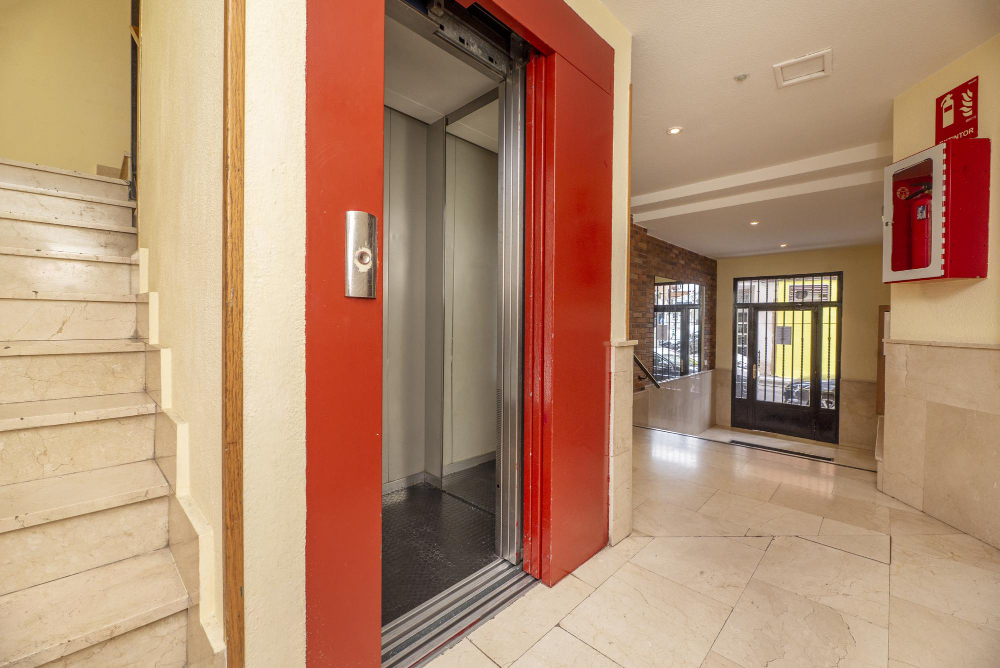
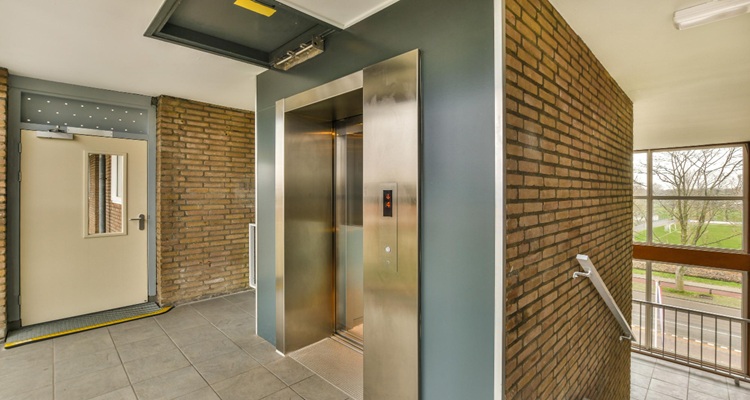
Older houses were built to maximize bedrooms, not wide staircases. Squeezing a Mini Elevator for Home into a tight twenty-year-old property usually sounds completely impossible at first. You look at your narrow hallway and assume you have absolutely zero space for heavy industrial machinery.
You do not actually need a massive concrete shaft. Modern engineering has shrunk the required mechanical footprint drastically. This guide explains how small lifts fit securely into tight residential corners and what you should expect to pay for the installation.
Why Traditional Shafts Ruin Small Floor Plans
Standard elevators require heavy civil construction before the machine even arrives. You usually have to build a thick brick column right in the middle of your house. That massive structure easily eats up an entire small bedroom or blocks your natural hallway light completely.
Small houses simply cannot sacrifice that much usable square footage. You need a system that adapts to your existing architecture. Newer micro lifts completely bypass the need for a dedicated concrete room, saving both your floor space and your bank account.
The Advantage Of Self-Supporting Structures
You do not have to destroy your walls to move vertically. Many small lifts arrive with their own self-supporting metallic frame. The installation team bolts this strong aluminum structure directly to your existing floor slabs.
This standalone design removes heavy masonry work from your budget entirely. It also installs much faster than a traditional lift. The technicians essentially assemble a highly secure vertical tunnel directly inside your house without pouring any fresh concrete.
Understanding The Mini Home Elevator Price
Finding a straight answer about the mini home elevator price feels incredibly frustrating. Local contractors hate giving blind estimates. The truth is that small lifts are not automatically cheap just because they carry fewer people.
The core safety electronics cost the exact same amount as a heavy commercial lift. You are paying for advanced compact engineering. Shrinking heavy lifting motors to fit inside a tiny wall cavity actually requires highly expensive, specialized manufacturing techniques.
Breaking Down The Small Home Lift Price
The final small home lift price depends heavily on your specific drive technology. A compact hydraulic system is generally cheaper to buy upfront. However, you still have to find a small closet to hide the messy hydraulic oil tank securely.
Gearless traction motors cost slightly more to purchase and install initially. They use strong steel cables and smart counterweights instead of messy fluid. This modern technology saves you massive amounts of money on your monthly electric bill because the motor runs highly efficiently.
How A home Lift for Small House Actually Fits
A home lift for small house rarely goes in the absolute center of the building. Finding the right location requires creative architectural thinking. You have to locate the dead zones inside your house that nobody actually uses for daily living.
Contractors usually target the empty void directly in the middle of your winding staircase. If your stairs wrap around a hollow center, a narrow lift fits there perfectly. This strategic placement requires zero structural changes to your living room or kitchen.
Utilizing Dead Corners And Open Balconies
Sometimes the interior is just too cramped. You cannot sacrifice a single inch of your indoor hallway. When interior space equals zero, the engineering team simply moves the entire project outside your exterior wall.
They punch a small doorway through your brick wall on each floor. They construct a weatherproof glass shaft completely on the outside of your house, often resting on a back balcony. This clever external approach completely preserves your original interior floor plan.
Choosing A Compact Elevator for Home
Picking a compact elevator for home means accepting strict weight and capacity limits. These tiny machines are designed strictly for domestic mobility. They usually carry a maximum of two standing adults comfortably at one time.
You must forget about moving heavy bedroom furniture up to the second floor inside these small cabins. They exist specifically to move people safely. The lifting motors are calibrated precisely for light domestic payloads to keep the mechanical footprint as small as possible.
Customizing The Cabin Interior
A tiny cabin can easily trigger severe claustrophobia if designed poorly. You want the space to feel open and breathable. Installing clear glass panels on three sides of the small cabin prevents the uncomfortable feeling of being trapped inside a dark metal box.
You should keep the interior finishes incredibly simple. Heavy wood panelling or thick marble floors add massive unnecessary weight to the tiny lifting motor. Stick to lightweight stainless steel walls and bright LED ceiling lights to maximize the available space inside.
Will A Residential Mini Lift Carry A Wheelchair?
This is the absolute most critical question for aging homeowners. A standard residential mini lift is often too narrow for a full-sized medical wheelchair to enter and rotate safely. The minimum cabin width required for a wheelchair dramatically changes your required shaft dimensions.
If wheelchair access is completely mandatory for your family, you must declare this immediately. The engineers must specify a slightly wider door and a deeper cabin floor. You cannot easily modify a tiny two-person lift to fit a wheelchair after the metal frame is already bolted down.
Monthly Maintenance And Power Consumption
Small lifts do not require a massive industrial power supply. Most compact models run perfectly on a standard single-phase residential electrical connection. They essentially draw the exact same amount of electricity as a heavy-duty household air conditioner.
Maintenance remains an absolute non-negotiable expense. Smaller gears and tighter moving parts require strict, consistent lubrication to prevent harsh metal friction. You must sign an annual service contract to ensure the mechanical emergency brakes actually lock during a sudden power failure.
Stop Guessing About Your Floor Space
You do not have to abandon your multi-story house just because your knees hurt. Squeezing a safe lift into a narrow property is entirely possible with the right mechanical approach. You just need to stop guessing about your available square footage and let an expert measure the walls.
Do not trust random estimates from generic online brochures. You need an engineer to look at your actual staircase. The technical team at Polo Elevators visits your narrow property, identifies the hidden dead space, and designs a compact lifting system that fits your house and your budget perfectly.