Capsule Lift vs Passenger Lift: How To Choose Without Wasting Your Budget
Post Date : Jun 18, 2026
The whole capsule lift vs passenger lift question gets messy the moment you start collecting quotes. Three contractors give you three different opinions, and each one quietly pushes the lift type they install most often. You walk away unsure whether you actually need the glass cabin everyone keeps showing you, or whether a basic passenger lift would do the same job for half the money.
Both lift categories move people between floors. That is where the similarity ends. Once you compare structural needs, daily duty cycles, cleaning routines, and lobby aesthetics, the two systems separate sharply. This guide breaks down where the real gap lies so you can decide based on building requirements, not sales pressure.
How A Capsule Lift Looks From Inside The Cabin
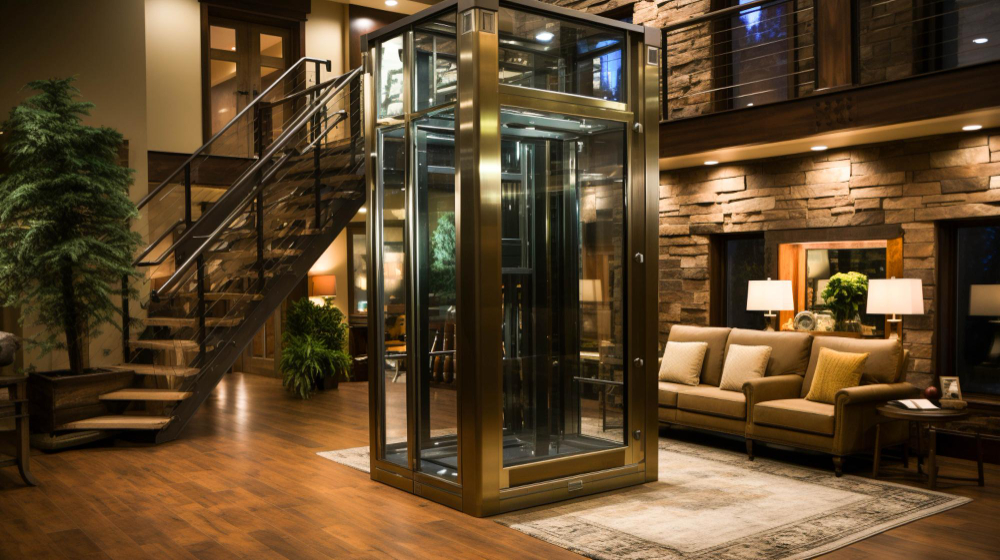
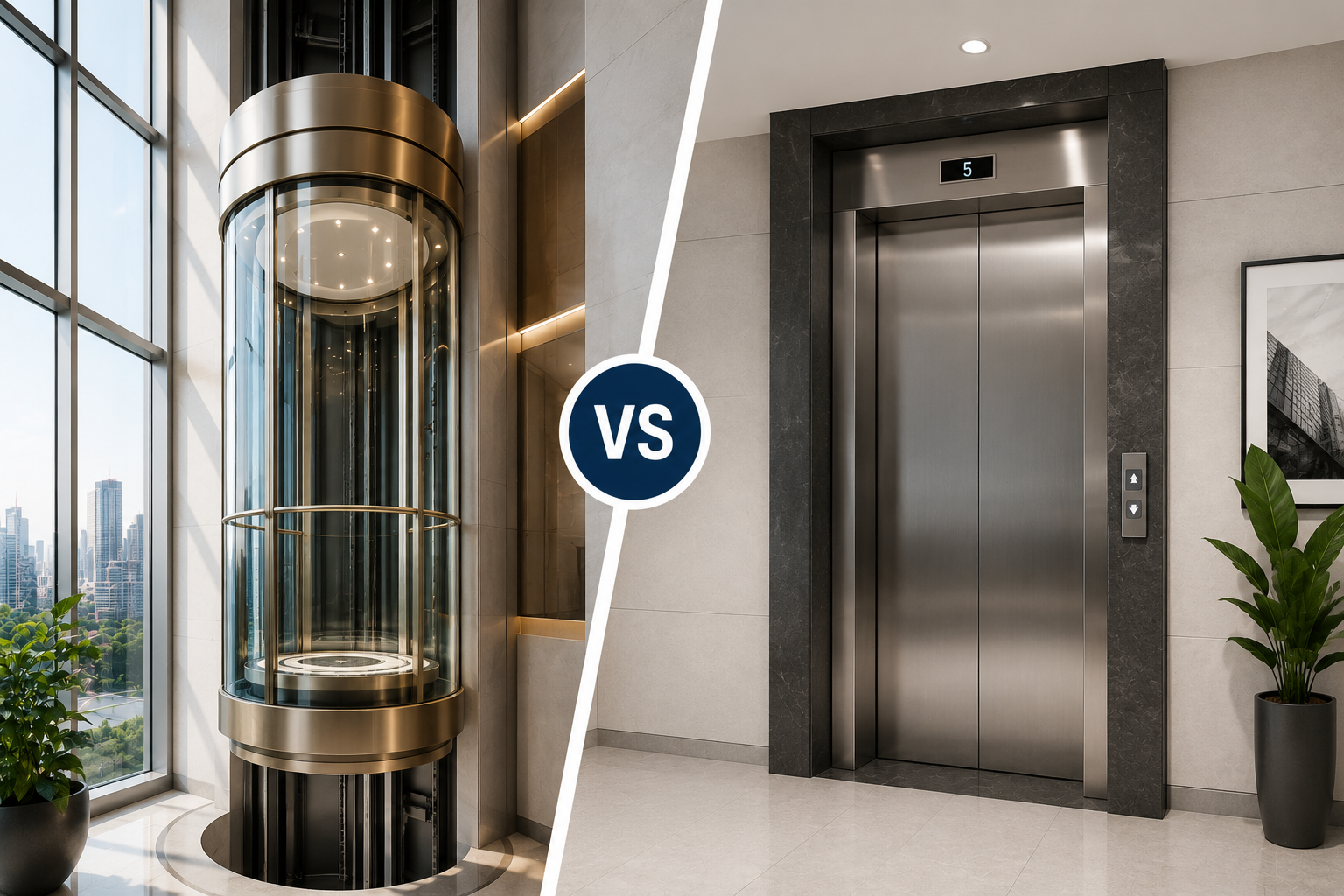
A capsule lift is built to be seen. Curved or flat glass panels wrap around the cabin on two or three sides, leaving the rider with an open view of the lobby, the atrium, or the world outside the building. The structural frame is usually a slim steel skeleton instead of a brick shaft. Riders see the cabin moving. Passersby see the cabin moving. Half the appeal is that visual openness.
A passenger lift is the opposite. The cabin is solid steel from floor to ceiling. Once the doors close, the rider sees four walls and a floor indicator. The shaft itself stays hidden behind brick or concrete, and the lift becomes invisible to anyone standing in the lobby. The whole machine is engineered to disappear.
The Daily Traffic Each Lift Is Built To Handle
Passenger lifts run hard. They handle six to twenty four people at a time, repeat that across thousands of stops every week, and keep going through the busiest office hours without overheating. The motors, brakes, and door operators are sized for industrial duty cycles. A modern passenger lift can be expected to run reliably for fifteen years on a proper service contract.
Capsule lifts are not built for that kind of grind. Most cabins seat four to eight passengers because the glass adds weight that the motor has to compensate for. The system handles regular use well enough, but pushing it through commercial peak hours wears it out faster than a comparable passenger lift. You install one for the visual statement, not for round the clock movement.
The Structural Requirements For Each Type
A passenger lift needs a properly constructed shaft. Your builder pours a concrete column from the ground floor to the roof, and the lift machinery drops inside it. The shaft is enclosed, fire rated, and completely hidden from public view. Installation is straightforward once the civil work is complete.
A capsule lift demands a much more involved structural setup. The supporting steel frame has to be fabricated precisely to hold the heavy glass panels without flexing under load. Anchoring this frame into the building structure requires careful engineering review. You cannot just bolt a glass shaft against a thin brick wall and hope it holds.
Comparing The Actual Cost Difference
The price gap between these two lift types is substantial. A basic passenger lift for a small commercial building usually costs significantly less than a comparable capsule installation. You are paying for standard manufacturing and a simple concrete shaft, both of which are predictable expenses your builder can quote upfront.
Capsule lifts add cost in multiple layers. The curved laminated safety glass is expensive on its own. The custom steel frame requires specialized fabrication. The visible interior finishes have to be upgraded because every passenger and every visitor in the lobby will see them clearly. Expect the final invoice to run noticeably higher than a comparable passenger lift.
Maintenance Demands You Should Plan For
Standard passenger lifts have a well established maintenance routine. The technicians inspect cables, brakes, door sensors, and the control panel on a regular schedule. The enclosed shaft protects the moving parts from dust and exterior weather. Long term running costs stay reasonably predictable across the lift lifetime.
Capsule lifts demand additional cleaning and inspection work. The glass panels need consistent polishing to maintain the visual appeal that justified the lift in the first place. Exterior mounted capsule shafts also collect dust, rain residue, and pollution over time. You must factor this extra cleaning into your annual maintenance budget right from the start.
Buildings Where A Capsule Lift Earns Its Place
Hotel lobbies. Shopping malls. Corporate headquarters. Luxury showrooms. The kind of property where the lift is part of the design statement, not just a way to reach the upper floors. Guests and clients notice the glass cabin. The architecture is being shown off, not hidden away.
Capsule lifts also work inside large residential projects with double height entrance lobbies. Developers use them to lift the perceived value of the building. The lift becomes a marketing point for prospective buyers walking through the sales gallery, and that visual impression carries real commercial value in premium projects.
Buildings Where A Passenger Lift Is The Obvious Pick
Office towers. Apartment complexes. Hospitals. Schools. Any property where the lift exists to move people quickly and safely, not to look impressive. Nobody walks into an apartment lift and admires the cabin. They press the button and expect the lift to arrive within reasonable time.
For these buildings, the investment goes into capacity, speed, and reliability. A standard cabin with clean steel finishes does the job well. Spending extra money on glass walls makes no commercial sense when the lift is going to be used as a workhorse through every working day for the next two decades.
How To Choose Without Falling For The Sales Pitch
The whole capsule lift vs passenger lift decision boils down to a single question. Is the lift expected to look impressive, or is it expected to perform reliably under heavy daily traffic? That question separates most projects into the right category. After that, look at the structural budget honestly. Capsule lifts add cost across the steel frame, the glass panels, the cabin finishes, and the long term cleaning routine. If those numbers do not fit the project budget, the capsule lift is the wrong choice regardless of how good it would have looked.
The team at Polo Elevators evaluates both lift types based on what your building actually requires. The site visit covers traffic estimates, structural conditions, and the realistic budget you have to work with. The recommendation that comes back is built around your needs, not a generic sales pitch designed to push whichever lift the contractor wants to install this month.