Elevator Troubleshooting: How To Catch Lift Problems Before They Become Breakdowns
Post Date : Jun 29, 2026
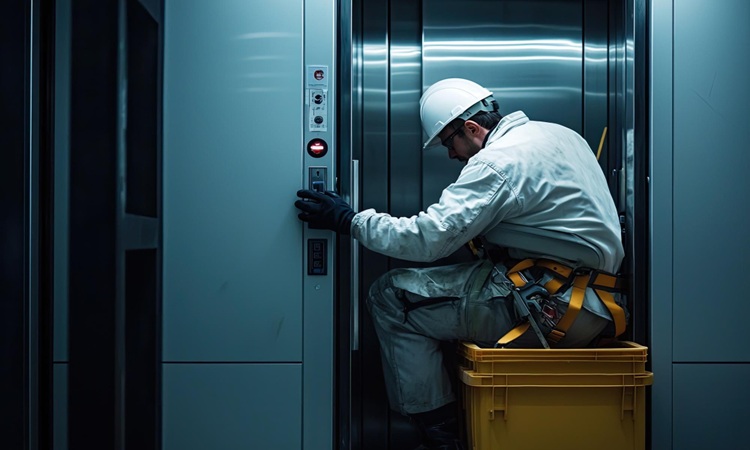
Elevator problems rarely arrive out of nowhere. The warning signs build up over weeks. A slight grinding noise on the way up. Doors that take a second longer than usual to close. Cabin lights that flicker briefly during travel. Building managers either miss these signals or assume they are not serious enough to act on. Then one morning the lift refuses to move at all, and the cost of fixing the problem is ten times what it would have been a month earlier.
This guide walks through the problems that most often show up inside residential and commercial elevators. You will see what causes each issue, what the early symptoms look like, and which preventive steps actually keep the breakdowns from happening. Good elevator troubleshooting depends entirely on catching the small signals before they grow.
Doors That Stop Closing Cleanly
Doors cause more service calls than any other part of the lift. The symptoms vary. A door that closes halfway and then bounces back open. A door that grinds against the frame on every cycle. A door that freezes mid travel and refuses to respond to the cabin panel. Each of these has a different cause and a different fix.
The most common reason is the safety beam across the door opening. Dust on the sensor lens or a small misalignment of the beam makes the system think something is blocking the doorway when nothing actually is. The second most common reason is wear inside the door operator motor or the upper sliding track. Routine cleaning of the rails and monthly recalibration of the safety beam catches almost all door problems before they escalate.
Noises That Should Not Be Coming From A Working Lift
A healthy elevator travels almost silently. Any new sound is a diagnostic clue. Squealing usually means the guide shoes have run dry and need lubrication. Grinding suggests metal is rubbing on metal somewhere along the rails. A heavy thud during the stop points to worn brake pads or a counterweight that has shifted out of alignment.
The single biggest mistake building managers make is ignoring these sounds. A noise that costs nothing to investigate this month turns into a damaged motor or gearbox three months later, and the bill jumps from a small repair into a major component replacement. A trained technician can usually identify the source of any unusual sound during a single service visit, and the early fix is almost always inexpensive.
A Cabin That Vibrates During The Ride
Passengers feel cabin vibration immediately. The ride becomes uncomfortable, sometimes anxious. Vibration usually develops for three reasons. The guide shoes have worn unevenly and the cabin is rocking slightly inside the shaft. The steel ropes have stretched unevenly across the trip. The counterweight has shifted out of its precise alignment. Each issue makes the others worse over time.
The fix is a proper mechanical inspection. The technician checks rail straightness, rope tension across all cables, and counterweight position. Adjustments restore smooth travel within a single visit if the problem is caught early. Buildings that wait until passengers actively complain about the ride quality usually end up replacing components that could have been adjusted at a fraction of the cost.
A Lift That Stops Between Two Floors
The worst situation any passenger faces is a lift that freezes mid travel. The cabin sits still. The doors refuse to open. The intercom may or may not work depending on whether the emergency phone has been maintained. Panic builds quickly inside the cabin. The cause is usually one of three things. A power supply interruption. A safety circuit that has tripped due to a faulty sensor reading. An overload triggered when the cabin exceeded its rated weight.
Preventive work makes this scenario rare. The Automatic Rescue Device battery must be tested quarterly to confirm it can lower the cabin to the nearest floor during a power cut. The safety circuit sensors need monthly verification. The building security team needs basic training on how to communicate with trapped passengers while the maintenance team responds. These steps do not eliminate the failure entirely, but they cut the duration of trapped passenger incidents from hours into minutes.
Floor Levelling That Drifts Out Of Alignment
A lift that stops two inches above or below the actual floor is a tripping hazard. Passengers stumble while stepping out. Wheeled goods carts get stuck during transfer. The cause is usually drift in the levelling sensor or a shift in the brake adjustment after months of repeated use.
Recalibration takes a trained technician with the right diagnostic tools. The work is not difficult once the equipment is on site, but it requires proper setup and testing across all floors. Buildings on a real maintenance schedule rarely see levelling problems because the slight drift gets caught during routine inspections, long before passengers start complaining about uneven stops.
Lights, Buttons, And Display Panels That Misbehave
Cabin lights that flicker, floor indicators that show wrong numbers, control buttons that respond only sometimes. All of these point to electrical issues. A loose terminal connection inside the control panel. A power supply unit that is starting to fail. Moisture damage from a leaking machine room ceiling. Each of these issues escalates if ignored, and the eventual outcome is usually a complete electrical shutdown of the lift.
Monthly electrical inspection catches the early signs. The technician opens the control panel, tightens every terminal, checks the power supply voltage, and confirms the machine room is dry. Maintaining the electrical system in good condition adds years to the operational life of the lift and prevents the kind of failure that takes the entire system offline for days.
Slow Response During Peak Building Hours
A lift that responds quickly at night but takes forever at nine in the morning usually has a dispatch problem, not a mechanical fault. Older controllers struggle to optimize cabin routing during heavy traffic, and the wait times stretch beyond what employees and visitors find acceptable. The fix is often a controller firmware upgrade or a smarter dispatch system rather than any physical repair.
Sometimes the lift specification is simply wrong for the actual building occupancy. The original calculation may have been based on a smaller tenant base or a different working pattern. In these cases, the only real fix is adding a second lift or replacing the existing one with a higher capacity unit. Slow peak hour response rarely fixes itself, and acting early protects tenant satisfaction before the issue becomes a leasing problem.
Where Preventive Maintenance Earns Its Cost
Most of these problems can be prevented entirely with a consistent service schedule. Real elevator troubleshooting starts long before the breakdown happens, not after. Skipping monthly maintenance to save a small contractor fee almost always costs the building several times more in emergency repairs and lost operational time within the same year. Reliable lift performance is a function of preventive care, not luck.
The technical team at Polo Elevators provides structured service contracts that cover diagnostic inspections, scheduled component replacement, and emergency response across both residential and commercial properties. The reports after every visit tell the building manager exactly what was checked and what needs attention next. Catching the small signals early is what keeps the lift running smoothly for fifteen or twenty years instead of breaking down repeatedly across the first five.