Passenger Lift Benefits: How A Modern Lift Improves Commercial Building Operations
Post Date : Jun 26, 2026
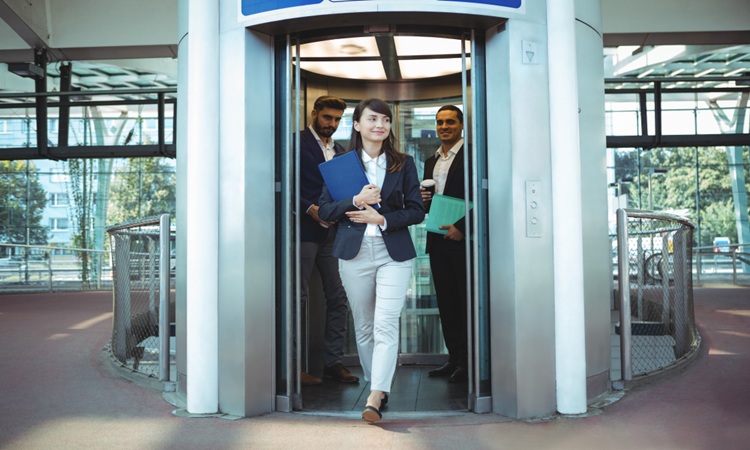
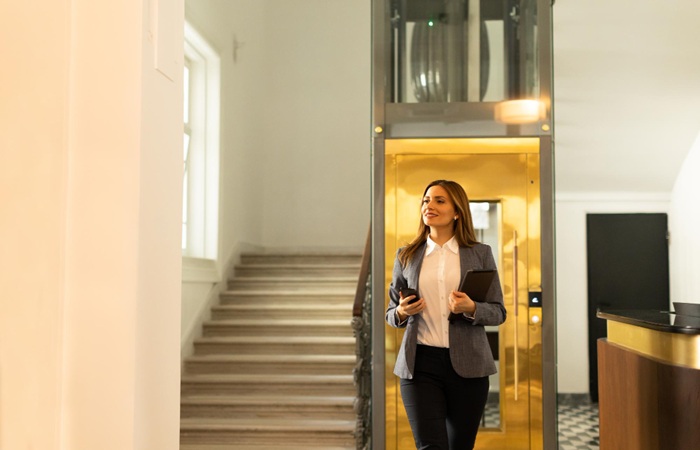
Walk into a four story office building during the morning rush, watch the elevator queue, and you can predict how productive the rest of the day will be. Slow lifts steal minutes from every employee, frustrate every visitor, and slow every delivery. The real passenger lift benefits show up in operational numbers most building managers do not even track until things go wrong.
This guide walks through what a properly chosen passenger lift actually changes inside a commercial property. Some of these gains are obvious. Others stay invisible until you compare the building to one running on outdated lift equipment.
How Much Time Slow Lifts Steal From Your Working Day
Pick any office building with hundred employees. If each person waits an extra forty five seconds for the lift every morning and every evening, the building loses roughly two hours of collective working time daily. Across a year of working days, that adds up to several hundred hours of paid productivity that walked out through a slow elevator queue. Nobody tracks the loss because nobody adds it up.
A modern passenger lift cuts the wait time meaningfully. Higher travel speed, smart floor dispatch, and properly sized cabins move people faster through peak hours. Employees reach their desks quicker. Visitors do not arrive irritated. The building feels organized rather than chaotic during rush hour.
Why Commercial Lifts Need Higher Duty Cycle Ratings
Residential grade elevators are not built for commercial usage. The motor cooling, brake pads, and door operators are sized for a few hundred trips a day, not several thousand. Use a residential lift inside a busy office and you get overheating during peak hours, faster wear on the brakes, and eventual door failures that take the lift out of service for days at a time.
A commercial passenger lift is engineered for the punishment. Larger motors with proper cooling fans. Heavy duty industrial door operators. Brake systems rated for thousands of stops a week. The machine runs through the busiest office hours without showing strain, and the breakdown risk during peak periods drops sharply.
Reaching Every Visitor And Employee Without Exceptions
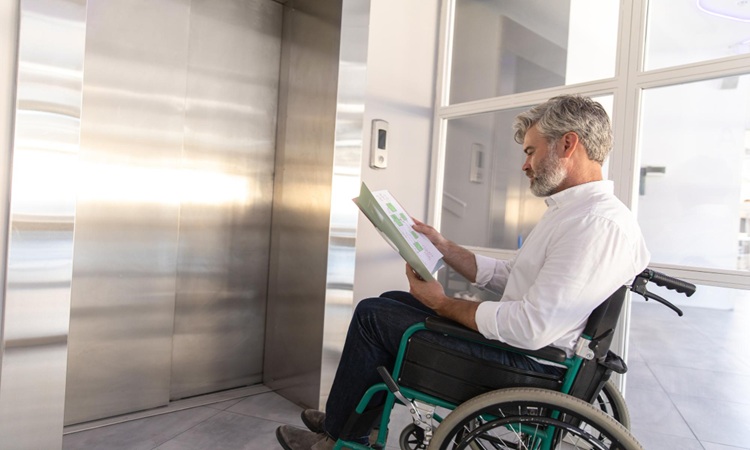
A commercial property without an accessible lift is partly closed to the public. Wheelchair users, elderly visitors, pregnant employees, parents with strollers, anyone with a temporary injury, none of them can reach the upper floors without proper vertical transport. The legal risk under accessibility regulations is one issue. The lost foot traffic from clients who simply cannot enter the building is the bigger one.
A passenger lift designed for accessibility solves the problem permanently. Wider cabin doors. Lower control panels reachable from a seated position. Tactile floor indicators for visually impaired users. Audio announcements for each floor. These features are inexpensive to specify at the time of purchase, and they remove the building from any accessibility complaint risk for the life of the lift.
Where The Electricity Bill Quietly Drops
Modern passenger lifts use less electricity than older models. Gearless traction motors are more efficient than the geared systems they replaced. Variable frequency drives reduce energy consumption during starts and stops. Regenerative drives feed energy back into the building grid during downward travel with heavy cabins. The combination cuts monthly electricity costs meaningfully.
LED cabin lighting and sleep mode controllers handle the rest. The lift stays in low power standby when nobody is using it. The lighting and ventilation switch off automatically. The cabin wakes up the moment a call button is pressed. A commercial building running three or four lifts through twelve hour days sees the savings clearly on the electricity bill within the first year of operation.
Moving Goods, Furniture, And Pantry Supplies
Commercial buildings move more than just people. Office furniture during fit out. IT equipment during upgrades. Pantry supplies every morning. Retail stock for the lower floor outlets. Service deliveries through the day. The passenger lift handles all of this alongside the human traffic, and the cabin needs to be specified to take that load without damage.
Reinforced cabin flooring, protective wall panels, and slightly wider doors make the lift workable for mixed use. Larger commercial buildings often install a separate service lift to keep the goods movement away from the main passenger flow. Smaller buildings share the lift for both purposes, and the specification at the time of purchase determines whether that sharing works or causes constant damage to the cabin interior.
The Lobby Impression Every Tenant Notices
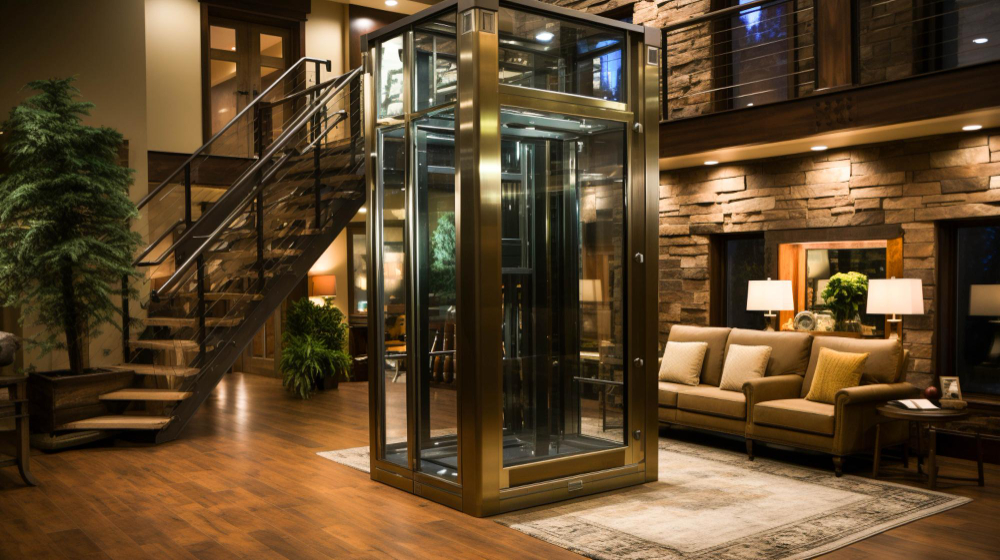
A clean, quiet, smooth passenger lift signals a well managed property. A noisy lift with jerky stops, scratched cabin walls, and unreliable doors signals the opposite. Tenants notice the difference during the first site visit. Clients notice the difference on the way to their meeting. The lobby experience shapes how people perceive your building before they ever step into an office.
Commercial property owners underestimate the leasing impact of this impression. Two similar office buildings in the same location compete partly on lobby quality, and the lift is the most visible part of that quality. A well finished passenger lift contributes directly to the rentable value of the property, and the upgrade pays back through stronger occupancy.
Predictable Maintenance Versus Constant Breakdowns
An outdated lift fails at unpredictable intervals. The building manager scrambles for a contractor. The lift sits out of service for three or four days. The occupants face real inconvenience during the downtime. Older equipment turns the elevator into a recurring operational risk.
A modern passenger lift on a proper service contract behaves differently. Scheduled maintenance happens during off peak hours. Component replacement is planned in advance using usage data. Service reports are documented after every visit, so the building manager always knows where the lift stands. The lift becomes a background utility rather than a source of recurring crisis.
Choosing The Right System For Your Commercial Property
The full range of passenger lift benefits only becomes available when the lift is correctly specified for the actual building usage. Undersized lifts overheat during peak hours. Oversized lifts waste electricity and floor space. Choosing the right capacity, speed, door configuration, and control system requires an honest assessment of the daily footfall pattern inside your specific property.
The technical team at Polo Elevators evaluates commercial properties based on traffic analysis, peak hour load, and long term occupancy projections. The recommendation is matched to your actual operational needs rather than a generic catalogue option. Getting the specification right at the start ensures that the lift contributes to building efficiency every single day rather than becoming an operational bottleneck.