Elevator Usage & Health: How User Behaviour & Building Design Shape Modern Mobility
Post Date : Dec 01, 2025
Elevators have become an essential part of daily life, especially in modern residential towers, commercial complexes and public buildings where vertical travel is constant and unavoidable. But as buildings grow taller and more complex, one question continues to emerge: how does elevator usage impact our health, and how do design and behaviour together influence the way we move and live?
For Polo Elevators, the conversation goes beyond engineering. It is about understanding how user choices, accessibility needs and healthy building design come together to create smarter and more inclusive environments.
1. Elevator vs Stairs: A Balance Between Convenience & Health
The elevator vs. stairs debate has existed for years. Elevators provide ease, speed and accessibility, while stairs offer physical benefits. The ideal approach is not choosing one over the other—it’s about understanding their roles.
Why people choose elevators:
-
Speed and efficiency, especially during peak hours
-
Reduced strain, especially for seniors, children, pregnant women or people carrying heavy loads
-
Accessibility for individuals with mobility challenges
-
Comfort in high-rise environments where climbing stairs is impractical
Health benefits of stairs (when used appropriately):
-
Improved cardiovascular health
-
Better leg strength and posture
-
Calorie burn and increased physical activity
However, relying solely on stairs is not always feasible. High-rise residents, office workers on the 10th floor and people with health concerns often cannot use stairs regularly. That’s where smart elevator usage and healthy building design intersect.
2. The Health Impact of Elevator Usage: Beyond Physical Activity
Using elevators isn't harmful—in fact, it is essential. But like any form of modern convenience, its effects depend on behaviour and context.
Positive health impacts of elevators:
-
Prevent strain or injuries while carrying weights
-
Reduce exertion for elderly people and those with joint issues
-
Ensure safe movement for pregnant individuals
-
Support respiratory patients who cannot climb stairs
-
Provide essential accessibility for wheelchair users
Indirect effects to consider:
-
Overdependence on elevators for short distances can encourage a sedentary lifestyle
-
Congested lifts in public buildings may increase discomfort and stress
-
Poorly designed lift lobbies can cause crowding, especially during emergencies
Modern building planning addresses these concerns through smart zoning, express elevators, controlled access, and better placement of staircases to encourage balanced mobility.
3. Smart Building Behaviour: How Users Influence Elevator Efficiency
User behaviour directly impacts how elevators function—and how healthy and efficient a building feels.
Common usage habits that affect lift performance:
-
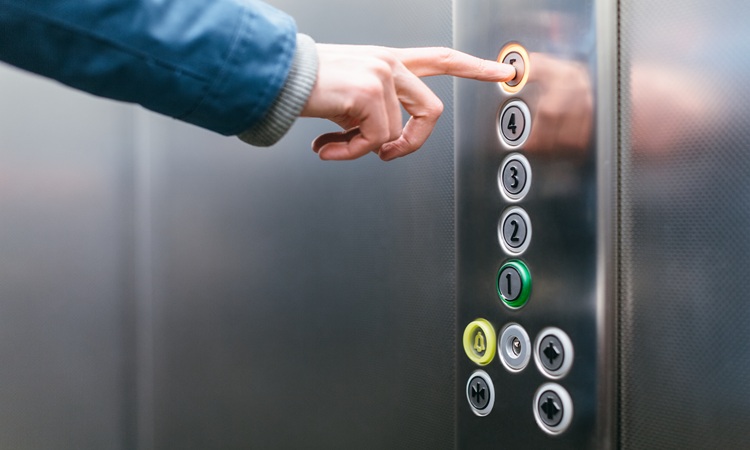
Pressing multiple buttons unnecessarily
-
Blocking doors or forcing them open
-
Overloading the cabin
-
Using elevators for one or two floors when stairs are easily accessible
-
Crowding during peak hours instead of distributing load
Educating residents or occupants through signage and timed elevator programs can dramatically improve efficiency.
Polo Elevators integrates smart destination control systems that predict user flow, reduce crowding and optimize travel time—making usage healthier, smoother and stress-free.
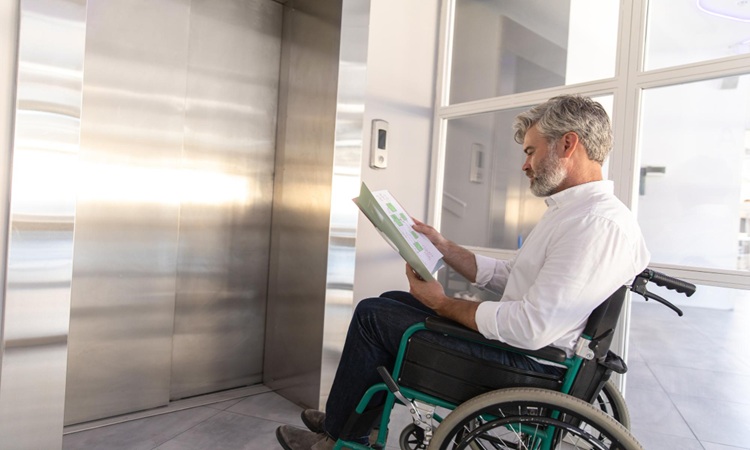
4. Accessibility Elevators: Health, Inclusion & Dignity
Elevators are not just about convenience—they are about dignity, independence and equal access.
Who relies heavily on elevators?
-
People with physical disabilities
-
Elderly residents
-
Visitors with strollers
-
Individuals recovering from surgeries
-
Patients in hospitals
-
Workers carrying heavy equipment
For them, elevators provide safety and mobility that stairs cannot.
Modern accessibility elevators come with:
-
Braille-enabled control panels
-
Larger cabins for wheelchairs
-
Low-height buttons
-
Voice announcements
-
Safety handrails
-
Anti-skid flooring
Buildings that prioritize accessibility create healthier communities—not just physically but socially.
5. Healthy Building Design: Elevators as Part of the Wellness Ecosystem
Future-ready buildings use a balanced approach where elevators and staircases work together to promote healthy behaviour.
Key building design elements that promote healthier usage:
-
Strategic stair placement – visible, naturally lit staircases encourage occasional use
-
Optimized lift zoning – separate lifts for residents, service staff and heavy loads
-
Express elevators for higher floors to reduce congestion
-
Ventilated lift lobbies that reduce stress and waiting anxiety
-
Smart elevator algorithms that reduce crowding and wait time
-
Energy-efficient elevators that improve environmental health
By combining convenience with wellness-focused planning, buildings become better for both physical and mental health.
6. Public Lift Systems: How Large Spaces Influence User Health
Airports, malls, metro stations and hospitals operate at significantly higher traffic volumes. Here, elevator health isn't just personal—it’s public safety.
Challenges in public lift systems:
-
High crowd density
-
Diverse user groups (children, elderly, differently abled, tourists)
-
Heavy luggage movement
-
Fast response time requirements
Health-focused solutions include:
-
Wider cabins and doors
-
Faster travel speeds
-
Emergency and evacuation-friendly lifts
-
Clear signage and accessibility indicators
-
Predictive maintenance to avoid downtime
-
Anti-bacterial buttons and touchless entry systems
For Polo Elevators, designing public lift systems means creating environments that handle pressure without compromising safety or comfort.
7. Finding a Healthy Balance in Everyday Mobility
The healthiest approach to elevator usage is simple:
Use elevators when needed. Use stairs when comfortable. Avoid overcrowding. Respect accessibility needs.
Buildings designed with wellness in mind—and elevators engineered with user behaviour in focus—create healthier, happier communities.
Conclusion: Elevators That Support Better Living
In today’s fast-paced world, elevators do more than transport people—
they shape lifestyle, accessibility, health and urban well-being.
Polo Elevators believes in designing mobility that:
-
Supports healthy building behaviour
-
Encourages inclusivity and accessibility
-
Reduces physical strain where necessary
-
Enhances comfort and psychological ease
-
Integrates seamlessly into wellness-focused architecture
As cities grow taller and lives become busier, elevators will continue to play a crucial role in maintaining a healthy balance between convenience, efficiency and well-being.