Factors Affecting Elevator Maintenance Cost
Post Date : Feb 10, 2026
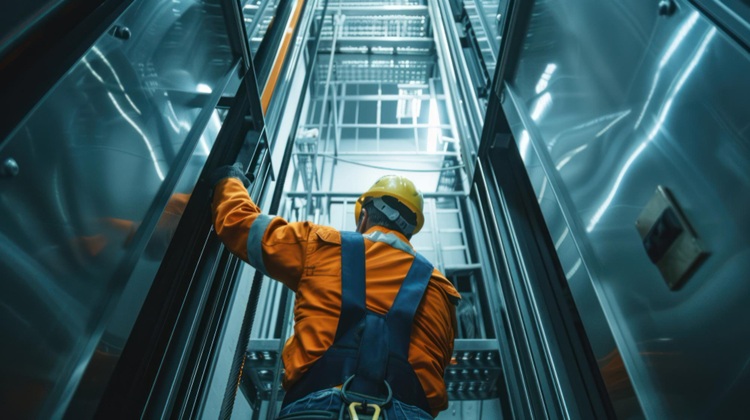
Elevators are a long-term investment that play a critical role in the safety, comfort, and daily operations of residential and commercial buildings. While most building owners focus on installation costs, the elevator maintenance cost over time is equally important. Regular maintenance ensures smooth performance, prevents breakdowns, and extends the lifespan of the elevator system.
Understanding the factors affecting lift maintenance cost can help property owners, facility managers, and builders plan budgets more effectively and avoid unexpected expenses. This blog explains the key elements that influence elevator maintenance costs and how to manage them wisely.
Why Elevator Maintenance Is Essential
Elevators are complex mechanical and electrical systems that operate daily under varying loads and conditions. Without proper maintenance, wear and tear can lead to frequent breakdowns, safety risks, and higher repair costs.
Regular servicing helps:
-
Improve safety and reliability
-
Reduce emergency repair expenses
-
Extend equipment lifespan
-
Ensure compliance with safety regulations
Ultimately, preventive maintenance is far more cost-effective than reactive repairs.
Key Factors Affecting Elevator Maintenance Cost
1. Type of Elevator
One of the most important factors affecting lift maintenance cost is the type of elevator installed.
-
Passenger elevators typically have moderate maintenance needs
-
Freight or goods elevators require more frequent servicing due to heavy loads
-
Home or residential elevators generally have lower maintenance costs
Each elevator type has different components, usage patterns, and service requirements, which directly influence the overall elevator maintenance cost.
2. Age of the Elevator System
Older elevators usually cost more to maintain. Over time, components such as cables, motors, control panels, and door mechanisms experience wear and may require frequent replacement.
-
Newer elevators benefit from modern technology and energy-efficient systems
-
Older systems may need custom or discontinued spare parts, increasing costs
Regular upgrades and modernisation can help control long-term maintenance expenses.
3. Frequency of Use
Usage intensity significantly impacts elevator maintenance cost.
-
Elevators in commercial buildings, hospitals, and malls operate continuously and require frequent inspections
-
Elevators in low-rise residential buildings experience less wear and tear
Higher usage leads to faster component fatigue, increasing service frequency and associated costs.
4. Maintenance Plan & Service Contract
The type of maintenance contract chosen plays a major role in determining cost.
-
Basic maintenance plans cover routine inspections and lubrication
-
Comprehensive maintenance contracts include parts replacement, repairs, and emergency services
While comprehensive plans may have higher upfront costs, they often reduce unexpected expenses in the long run.
5. Quality of Installation
Proper installation directly affects future maintenance needs. Poor installation can lead to frequent malfunctions, alignment issues, and premature component failure.
Choosing an experienced manufacturer and installer ensures:
-
Fewer breakdowns
-
Better performance
-
Lower long-term elevator maintenance cost
Quality installation is an investment that pays off over the elevator’s lifecycle.
6. Availability of Spare Parts
The cost and availability of spare parts are key factors affecting lift maintenance cost.
-
Standardised components are easier and cheaper to replace
-
Imported or customised parts may increase service expenses and downtime
Working with a reliable elevator manufacturer ensures easy access to genuine spare parts.
7. Building Environment & Location
Environmental conditions also influence maintenance requirements.
-
Elevators in dusty, humid, or coastal areas may require more frequent servicing
-
Poor ventilation or power fluctuations can affect elevator performance
These external factors can increase wear on mechanical and electrical components, raising maintenance costs.
8. Compliance with Safety Regulations
Elevators must comply with national and local safety standards. Periodic safety inspections, certifications, and compliance updates are essential and may add to maintenance costs.
However, these costs are necessary to ensure passenger safety and avoid legal issues or operational shutdowns.
How to Reduce Elevator Maintenance Cost
While maintenance is unavoidable, smart planning can help manage expenses:
-
Choose high-quality elevators from trusted manufacturers
-
Opt for preventive maintenance instead of reactive repairs
-
Upgrade outdated systems with modern technology
-
Use comprehensive maintenance contracts for predictable costs
-
Ensure trained professionals handle servicing and repairs
These steps help minimise breakdowns and control long-term expenses.
Why Choose Polo Elevators for Reliable Maintenance?
At Polo Elevators, we understand that efficient maintenance is key to elevator performance and safety. Our elevator systems are designed for durability, reliability, and ease of maintenance.
We offer:
-
Expert installation for long-term performance
-
Customised maintenance plans to suit different building needs
-
Easy availability of genuine spare parts
-
Skilled technicians and prompt service support
Our focus on quality engineering helps reduce overall elevator maintenance cost while ensuring smooth and safe operation.
Conclusion
Understanding the factors affecting lift maintenance cost is essential for making informed decisions about elevator ownership and management. From elevator type and usage to installation quality and maintenance plans, multiple factors influence long-term costs.
By investing in quality elevators, regular preventive maintenance, and reliable service support, building owners can significantly reduce unexpected expenses and ensure uninterrupted performance.
With proven expertise and customer-focused solutions, Polo Elevators remains a trusted partner in delivering safe, efficient, and cost-effective elevator systems.