When Is Elevator Modernization Needed? 7 Signs to Look For
Post Date : Oct 30, 2026
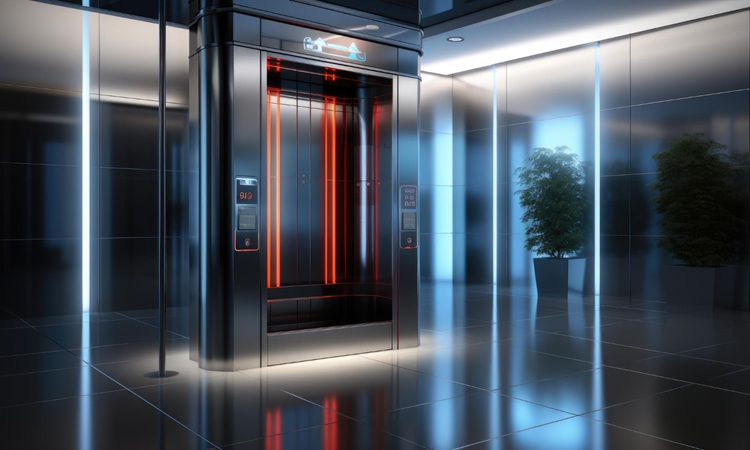
You use it daily without ever giving it a second thought. That is until it gets stuck midway. Then the elevator is all that people talk about. This is when owners begin thinking about elevator modernization.
The hard part is timing. Modernize too soon and you will lose out on your investment. Wait for too long and you risk problems such as break downs and complaints. This guide will answer one simple question: when is elevator modernization needed? It also covers the clear signs that tell you it's time to act.
What Is Elevator Modernization?
Elevator modernization refers to the renewal of the vital components of the existing elevator without replacing the entire elevator. Consider the motor, control system, doors, cables, switches, and safety systems. The shaft and general frame construction remain unchanged.
Elevator modernization is distinct from ordinary elevator maintenance. While maintenance involves the upkeep of existing components, modernization entails the replacement of the components whose functional lives have expired.
It is similar to the renovation of an old house rather than the erection of a new building. The idea is to retain the sturdy core while replacing the worn out parts. This will produce an efficient, energy-saving and compliant elevator. In most cases, it will be less costly than a new installation.
7 Signs of Elevator Modernization You Should Never Ignore
No specific date on the calendar exists. Age is important, but so is usage. An elevator in a crowded apartment building gets a lot more use than one in a smaller house with just a few people living in it. These are the most common signs of elevator modernization that residents and owners notice first. Not every sign means an emergency. Each one still deserves attention.
1. Frequent Breakdowns
If the technician comes around more frequently than your family members, then there is a problem. A single break down in a year is alright, but multiple breakdowns within a few months is certainly not acceptable. Multiple breakdowns definitely mean that the old parts have worn out and trying to fix them will just be a temporary solution.
2. Jerky and Noisy Rides
The best elevator runs smoothly. When your elevator shakes at the beginning, bumps when it stops or makes a grinding sound and hums, something in there is wearing out. Ropes that wear out, motors that wear out, and worn-out guide rails are the most frequent causes of this. The noise can be easily ignored initially, but don’t.
3. Poor Leveling and Slow Travel
Does the elevator door halt just before or after it reaches the floor level? That tiny gap can create stumbling and falling accidents. Slow speed and long wait times also help identify an old system. The reason is that an old control system is not able to control the traffic properly.
4. Door Troubles
The doors in a lift open and shut more than any other component of the lift; hence they wear out first. Be on the lookout for doors that don't operate well, close forcefully, reopen by themselves or take too long to shut. A door that fails to detect an obstruction is very dangerous.
5. Outdated Safety Features
Great advancements have been made on safety protocols and technology. The old lift system does not have features like emergency lights, intercom, automatic rescue in case of power failure or sensor doors. In such cases, people are actually putting themselves in unnecessary risks. Better safety is one of the strongest reasons for elevator modernization.
6. Rising Repair and Power Bills
Calculate how much you have paid on repairs in the past year. Now check your electricity bill. Old motors and drives consume much more energy than new ones do. Parts of very old systems can be difficult to obtain, leading to downtime and increased costs. There comes a point where maintaining an old system becomes more expensive than replacing it.
7. The Lift Is Simply Old
Generally, most lifts start looking old after 20-25 years. The technology used in it could be obsolete even if the lift is working properly, and the cabin itself could look aged. Aging alone shouldn’t raise an alarm bell. But together with any of the above signs, it should tell you to have the lift checked out.
Benefits of Elevator Modernization
Once elevator modernization is complete,the difference can be felt easily. Rides become smooth and quiet. Time spent waiting is reduced. Breakdowns are a thing of the past. With the installation of new drives and motors, power savings are achieved. Monthly bills are reduced due to that reason. The safety enhancements provide security of mind to all residents, visitors, and employees. In addition to that, the new cabin design improves the entire building’s appearance.
So, When Is Elevator Modernization Needed?
Short answer: when your lift starts costing more, failing more or feeling less safe than it should. If you've noticed even two or three of these signs of elevator modernization, don't wait for a major failure. Schedule an inspection by a professional and seek an unbiased opinion regarding the items that need to be upgraded and which ones can be left as is. Furthermore, if there is any issue with the doors, brakes or emergency alarm, have it looked at immediately rather than waiting for the next service call.
Polo Elevators will help you with all of that from determining the present state of your lift to recommending the proper upgrades.