Residential vs Commercial Elevators: Key Differences Explained
Post Date : Feb 05, 2026
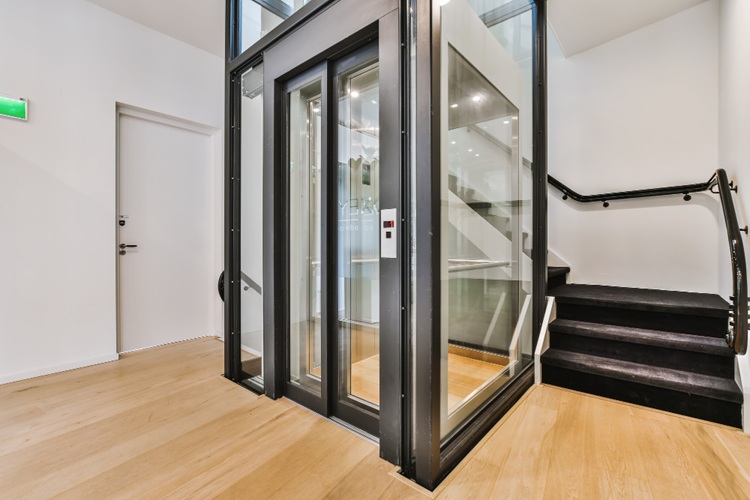
Elevators are no longer limited to high-rise office buildings or shopping malls. Today, they play an essential role in both homes and commercial spaces, improving convenience, accessibility, and safety. However, when it comes to choosing the right lift, understanding the Residential vs Commercial Elevators debate is crucial.
While both serve the same fundamental purpose, vertical transportation their design, functionality, safety standards, and usage vary significantly. This blog explains the difference between residential and commercial elevators, helping homeowners, builders, architects, and business owners make informed decisions.
What Are Residential Elevators?
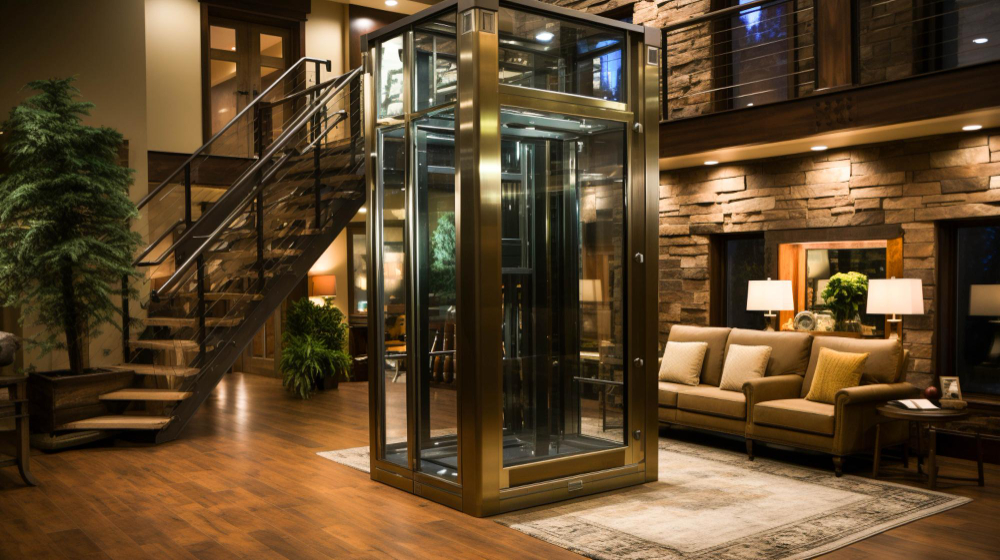
Residential elevators are designed for private homes, villas, duplexes, and low-rise residential buildings. Their primary goal is to provide comfort, convenience, and accessibility for family members, especially elderly individuals and people with mobility challenges.
A residential elevator usually operates at lower speeds, carries fewer passengers, and focuses on smooth, quiet operation rather than high traffic handling.
Key Characteristics of Residential Elevators
-
Designed for low usage frequency
-
Lower load capacity
-
Compact size suitable for homes
-
Simple controls and user-friendly operation
-
Focus on comfort, aesthetics, and safety
In many cases, a residential elevator vs passenger lift comparison shows that residential lifts prioritise personal convenience over heavy-duty performance.
What Are Commercial Elevators?
Commercial elevators are installed in offices, hospitals, malls, hotels, airports, and high-rise residential complexes. These elevators are built to handle high foot traffic, heavy loads, and continuous operation throughout the day.
Commercial elevators must meet stricter safety regulations and are designed for efficiency, durability, and reliability in demanding environments.
Key Characteristics of Commercial Elevators
-
Designed for high passenger volume
-
Higher speed and load capacity
-
Advanced safety and control systems
-
Durable components for long-term usage
-
Compliance with commercial building codes
Understanding commercial elevator features is essential for ensuring smooth operations in busy public or business spaces.
Residential vs Commercial Elevators: Key Differences
1. Usage & Traffic Capacity
One of the biggest differences between residential and commercial elevators lies in their usage.
-
Residential elevators are used by a limited number of people, usually a single family.
-
Commercial elevators handle constant movement of people throughout the day.
This difference directly impacts design, motor strength, and durability.
2. Load Capacity
Load capacity varies significantly when comparing Residential vs Commercial Elevators.
-
Residential elevators typically carry 2–6 people or around 250–450 kg.
-
Commercial elevators can handle much heavier loads, depending on the building type.
This makes commercial lifts suitable for transporting goods, equipment, and large crowds.
3. Speed & Performance
-
Residential elevators operate at lower speeds, ensuring smooth and quiet movement.
-
Commercial elevators are faster, designed to reduce waiting time in high-traffic buildings.
Speed is a critical commercial elevator feature, especially in offices and hospitals where time efficiency matters.
4. Design & Aesthetics
Residential elevators are often customised to blend with home interiors. Homeowners can choose finishes, cabin designs, and lighting that complement their décor.
Commercial elevators, on the other hand, focus more on durability and uniformity. While aesthetics still matter, functionality and safety take priority.
5. Safety Standards & Regulations
The difference between residential and commercial elevators is also evident in safety compliance.
-
Residential elevators follow safety standards suitable for private use.
-
Commercial elevators must comply with stricter national and international safety codes, including emergency systems, fire safety features, and backup power.
These advanced safety measures are essential for public use environments.
6. Installation Requirements
Residential elevators require less space and simpler structural changes, making them easier to install in existing homes.
Commercial elevators need:
-
Dedicated lift shafts
-
Machine rooms (in some cases)
-
Advanced electrical systems
This makes commercial installation more complex and time-intensive.
7. Maintenance & Operational Costs
Maintenance frequency is another important factor in Residential vs Commercial Elevators.
-
Residential elevators have lower maintenance needs due to limited usage.
-
Commercial elevators require regular inspections and servicing to ensure uninterrupted operation.
Operational costs are higher for commercial lifts, but necessary to maintain safety and efficiency.
Residential Elevator vs Passenger Lift: Which One Do You Need?
Choosing between a residential elevator and a passenger lift depends entirely on usage requirements.
-
If the lift is meant for personal home use, a residential elevator is ideal.
-
If the building serves multiple users or public access, a commercial passenger lift is the right choice.
Understanding this residential elevator vs passenger lift distinction helps avoid over- or under-investment.
Choosing the Right Elevator Solution
When deciding between residential and commercial elevators, consider:
-
Purpose and usage frequency
-
Load and speed requirements
-
Available space
-
Safety compliance
-
Long-term maintenance needs
Working with an experienced elevator manufacturer ensures that the solution is tailored to your specific requirements.
Why Choose Polo Elevators?
At Polo Elevators, we specialise in designing and manufacturing both residential and commercial elevator solutions that meet the highest standards of safety, performance, and reliability.
Our expertise covers:
-
Customised residential elevators for modern homes
-
Advanced commercial elevator features for high-traffic buildings
-
Energy-efficient and durable lift systems
-
End-to-end support from design to maintenance
Whether you are planning a home upgrade or a large-scale commercial project, Polo Elevators delivers solutions you can trust.
Conclusion
Understanding the Residential vs Commercial Elevators comparison is essential before investing in a lift system. While residential elevators focus on comfort and accessibility, commercial elevators are built for speed, capacity, and continuous use.
By recognising the difference between residential and commercial elevators, you can choose a solution that perfectly aligns with your space, usage needs, and long-term goals.
With expert engineering and customer-focused solutions, Polo Elevators is committed to elevating spaces safely, efficiently, and reliably.